.avif)
Geistliche Grundlagen
Hier findet man Hilfe und Unterstützung in schwierigen Lebenssituationen, geistliche Begleitung sowie die Möglichkeit, Fragen zum Glauben und zum Sinn des Lebens zu stellen.

Das Leben hält immer wieder Überraschungen bereit, nicht wahr? Wir alle haben diese Momente, in denen wir große Fragen stellen: Warum passiert das? Wo finde ich echtes Glück? Wie gehe ich durch schwierige Zeiten? Bei der Orthodoxie geht es nicht nur um alte Traditionen...Warum passiert das? Wo kann ich dauerhaftes Glück finden? Wie bleibe ich stark, wenn sich alles instabil anfühlt? Beim orthodoxen Christentum geht es nicht nur um alte Traditionen...
"Es ist ein lebendiger Glaube, der echte Antworten, Komfort und eine Gemeinschaft bietet"
Licht im Schatten finden:
Trauer, Verlust und die Macht der Hoffnung
Die Orthodoxie bietet einen Rahmen für das Verständnis von Verlust und bietet Trost durch Gebet, Rituale und die Unterstützung der Gemeinschaft.

Das Sakrament der Krankensalbung
Ermutige deine Lieben durch persönliche Gebete und die liturgischen Gottesdienste der Kirche. Das ehrt nicht nur ihr Andenken, sondern verbindet uns auch mit der ungebrochenen Gemeinschaft der Heiligen und schenkt uns Trost und Hoffnung.
Gebet bei Krankheit
Erinner dich durch persönliche Gebete und liturgische Gottesdienste an Ihre Lieben. Das hält ihre Erinnerung in der Glaubensgemeinschaft lebendig und verbindet uns mit der ewigen Gemeinschaft der Heiligen.
Die Heilige Schrift und die Heiligen: eine Quelle der Kraft
In Momenten der Schwäche sind die Worte der Heiligen Schrift besonders tröstlich. König David sagt: „Der Herr ist mein Hirte; mir wird nichts mangeln“ (Psalm 22,1). Diese Worte erinnern uns daran, dass wir in schwierigen Situationen nicht allein sind. Gott ist nahe, auch wenn der Körper schwächer wird. Er bleibt uns nahe – wie ein Hirte, der uns führt, stützt und beschützt.
Die Kirche wahrt das Andenken an Heilige, die Krankheiten mit Glauben und Mut ertragen haben. Viele Asketen und rechtschaffene Menschen haben selbst körperliches Leid durchlebt, ohne jedoch ihren inneren Frieden zu verlieren. Ihr Leben zeigt, dass Krankheit zwar den Körper schwächen kann, einem Menschen aber nicht seine Würde, Hoffnung und geistige Kraft nehmen kann.
Wenn ein Mensch seine Schwäche mit Gebet und Vertrauen in Gott verbindet, entsteht in seinem Herzen eine besondere Kraft – still, tief und echt. Es ist der Glaube, der diese Kraft schenkt.
Fürsprache der Gemeinschaft und Akte der Barmherzigkeit
Ein Christ sollte nicht allein bleiben. Ein Priester kann Kranke zu Hause oder im Krankenhaus besuchen und ihnen die Kommunion bringen. Gläubige helfen durch Gebet und Taten.
„Leidet ein Glied, so leiden alle Glieder mit“ (1 Kor 12,26). Die Kirche ist eine lebendige Familie, in der Leid geteilt und Hoffnung gestärkt wird.
Gebet für Verstorbene
Die Kirche hört nicht auf, einen Menschen nach seinem Tod zu lieben. Wir gedenken der Verstorbenen in unseren persönlichen Gebeten, bei Gedenkgottesdiensten und in der Göttlichen Liturgie.
Der orthodoxe Glaube lehrt, dass die Gebete der Lebenden der Seele der Verstorbenen zugutekommen. Wir bitten Gott, ihnen ihre Sünden zu vergeben und ihnen Licht, Frieden und Ruhe zu schenken. Durch Gottes Barmherzigkeit kann das Gebet der Kirche das Schicksal eines Menschen nach dem Tod erleichtern und ihn in der Erwartung der allgemeinen Auferstehung stärken.
Die Heilige Schrift bezeichnet das Gebet für die Verstorbenen als fromme Tat: „Es ist ein heiliger und frommer Gedanke, für die Verstorbenen zu beten, damit sie von der Sünde befreit werden“ (2 Makk 12,45). Im Neuen Testament betet der Apostel Paulus für Onesiphorus und bittet den Herrn um Barmherzigkeit für ihn: „Möge der Herr ihm an jenem Tag Barmherzigkeit vom Herrn gewähren“ (2 Tim 1,18).
Das Gebet für die Verstorbenen stärkt die Liebe, tröstet die Lebenden und verankert unsere Trauer in der Hoffnung auf die Auferstehung Christi.
Trost in den Sakramenten
In der Trauer ist es besonders wichtig, sich nicht in sich selbst zurückzuziehen. Der Mensch kann seinen Schmerz im Sakrament der Beichte und der Heiligen Kommunion vor Christus bringen.
Die Beichte ist kein Gespräch über die Vergangenheit, sondern eine Begegnung mit Gottes Barmherzigkeit. In der Heiligen Schrift heißt es: „Wenn wir unsere Sünden bekennen, ist er treu und gerecht, dass er uns die Sünden vergibt und uns von aller Ungerechtigkeit reinigt“ (1. Johannes 1,9). Durch die Reue wird das Herz von seiner Last befreit und beginnt, voller Hoffnung zu atmen.
Die Heilige Kommunion ist eine Vereinigung mit Christus selbst, der den Menschen von innen her tröstet und stärkt. Der Herr sagte: „Ich bin das Brot des Lebens … wer mein Fleisch isst und mein Blut trinkt, der hat das ewige Leben“ (Joh 6,48.54). Das Abendmahl löscht nicht die Erinnerung an einen geliebten Menschen aus, sondern gibt Kraft, weiterzuleben, ohne in Verzweiflung zu verfallen.
Durch die Sakramente schenkt der Herr dem Herzen wieder Frieden, den man mit Worten allein nicht finden kann.
Heilige Schrift — Worte des Trostes
Wenn ein Mensch einen Verlust erleidet, erweisen sich Worte oft als machtlos. Doch die Heilige Schrift spricht eine Sprache, die das Herz berührt. Der Psalmist erinnert uns: „Der Herr ist mein Hirte; mir wird nichts mangeln … Und wenn ich auch durch das Tal des Todesschattens gehe, fürchte ich kein Unheil, denn du bist bei mir“ (Ps 22,1.4). Christus selbst wendet sich an alle, die trauern: „Kommt alle zu mir, die ihr mühselig und beladen seid; ich will euch Erquickung geben“ (Mt 11,28).
Diese Worte sind kein poetisches Bild, sondern ein lebendiges Versprechen. Gott verlangt von den Menschen nicht, dass sie ihre Tränen verbergen und sich ihrer Schwäche schämen. Er lädt uns ein, gerade mit unserem Schmerz, unseren Problemen und unserer Verwirrung zu ihm zu kommen.
Christus sagt auch: „Ich bin die Auferstehung und das Leben. Wer an mich glaubt, der wird leben, auch wenn er stirbt“ (Joh 11,25).
Daher ist christliche Trauer keine Hoffnungslosigkeit. Der Schmerz bleibt real, wird aber von der Hoffnung erhellt. Die Worte der Heiligen Schrift helfen uns, nicht in Verzweiflung zu versinken, und erinnern uns daran, dass der Tod nicht das letzte Wort hat, denn das letzte Wort gehört Gott.
Unterstützung in der Kirchengemeinde
Ein trauernder Mensch sollte nicht allein gelassen werden. In der orthodoxen Kirche wird Trauer nicht isoliert erlebt – sie wird geteilt. Die Gemeindemitglieder beten für die Verstorbenen, gedenken ihnen in der Liturgie, nehmen an der Trauerfeier teil und unterstützen die Familie mit Worten und Taten. Der Priester betet, spricht mit ihnen, tröstet sie und hilft ihnen, mit ihrem Verlust fertig zu werden und sich nicht in Verzweiflung zurückzuziehen. Der Apostel Paulus schreibt: „Leidet ein Glied, so leiden alle Glieder mit“ (1 Kor 12,26). Das ist kein schönes Bild, sondern die Realität des kirchlichen Lebens. Wenn ein Mensch in Zeiten der Trauer in die Kirche kommt, hört er die Gebete der ganzen Gemeinde. Seine Tränen werden Teil des gemeinsamen Gebets. Sein Schmerz bleibt nicht unbeachtet.
Unterstützung kann einfach und sehr irdisch sein: Hilfe bei der Organisation der Beerdigung, ein Essen nach der Trauerfeier, Besuche zu Hause, eine warme, stille Präsenz in der Nähe. Doch durch diese einfache Fürsorge wirkt Gottes Gnade – das Herz hört allmählich auf, sich verlassen zu fühlen.
Die Kirche erinnert uns daran, dass die Liebe stärker ist als der Tod. Und auch nach dem Abschied bleiben wir in Christus vereint – im Gebet, in der Erinnerung und in der Hoffnung auf ein Wiedersehen in der Auferstehung.
Den eigenen Schmerz vor Gott bringen
Leiden wird zerstörerisch, wenn ein Mensch damit allein gelassen wird. Doch wenn man den Schmerz vor Gott bringt, verliert er seine Sinnlosigkeit. Der Apostel Petrus schreibt: „Werft alle eure Sorgen auf ihn, denn er sorgt für euch“ (1. Petrus 5,7). Sich an Gott zu wenden ist kein Zeichen von Schwäche, sondern ein Gewinn an innerer Stärke. Selbst ein kurzes Gebet wie „Herr Jesus Christus, erbarme dich meiner“ wird zu einem Akt des Vertrauens und zu einem Weg zum Erfolg.
Sinn entsteht, wenn ein Mensch aufhört, allein zu kämpfen, und sein Herz Gott öffnet. Dann ist das Leiden kein Chaos mehr, sondern wird zu einem Weg: Durch ihn lernt der Mensch Vertrauen, befreit sich von falschen Stützen, versteht sich selbst und andere tiefer und wird fähig zu Mitgefühl und reifer Liebe. Der Schmerz verschwindet nicht augenblicklich, aber er ist nicht mehr leer – er wird zu einem Schritt hin zu innerem Wachstum und Nähe zu Gott.
Leiden als Weg zur Läuterung
Der orthodoxe Glaube behauptet nicht, dass Gott den Menschen Leid wünscht. Er lehrt jedoch, dass Gott selbst schwierige Umstände zum Guten wenden kann. Der Apostel Paulus sagt: „Denjenigen, die Gott lieben, dienen alle Dinge zum Guten“ (Römer 8,28). Das bedeutet nicht, dass das Leiden an sich gut ist. Aber Gott ist in der Lage, Prüfungen zu nutzen, um das Herz von Stolz, Bitterkeit und Illusionen zu reinigen und Geduld, Liebe und Mitgefühl zu lehren. Im Hebräerbrief heißt es: „Jede Züchtigung scheint in der Stunde, da sie geschieht, nicht angenehm, sondern schmerzhaft; später aber bringt sie denen, die durch sie geübt worden sind, eine Frucht der Gerechtigkeit und des Friedens hervor“ (Hebräer 12,11).
Der Sinn des Leidens ist nicht sofort ersichtlich, doch mit der Zeit kann ein Mensch erkennen, dass gerade durch schwierige Zeiten sein Herz empfänglicher, sanfter und lebendiger geworden ist.
Das Kreuz Christi – Der Mittelpunkt des Sinns
Wenn jemand fragt: „Warum ich?“, ist es wichtig, sich das Wesentliche vor Augen zu halten: Gott sieht unserem Leid nicht tatenlos zu. Jesus Christus selbst hat Ungerechtigkeit, Verrat, körperliche Schmerzen und den Tod erlebt. Er weiß, was Angst, Tränen und Einsamkeit bedeuten. Deshalb spricht das Christentum nicht von einem fernen Gott, sondern von einem Gott, der Verständnis hat.
Der Apostel Paulus überliefert die Worte Christi: „Meine Kraft wird in der Schwachheit vollkommen“ (2 Kor 12,9). Das bedeutet, dass gerade in schwierigen Momenten ein Mensch in sich selbst eine Tiefe des Glaubens und eine innere Stärke entdecken kann, die er zuvor nicht kannte.
Christus ist durch den Tod gegangen und wieder auferstanden. Deshalb ist Leiden kein Sackgasse. Es kann zum Übergang in ein neues Leben werden, zu einer reiferen Sicht auf die Welt, zur Befreiung von Bitterkeit und zu wahrem inneren Frieden.
Der Sinn liegt nicht im Schmerz selbst. Der Sinn liegt darin, dass Gott einen Menschen durch ihn hindurch ins Licht führen kann.
Leid zerstört die Liebe nicht
Leiden kann dazu führen, dass sich ein Mensch in sich selbst zurückzieht – oder ihn umgekehrt lehren, tiefer zu lieben. Der Apostel Paulus sagt: „Leiden bringt Ausdauer hervor; Ausdauer bringt Charakter hervor; und Charakter bringt Hoffnung hervor“ (Römer 5,3–4). Wenn ein Mensch Schwierigkeiten im Glauben durchlebt, wird er fähiger, andere zu verstehen, Barmherzigkeit zu zeigen und Unterstützung zu leisten.
Das Leiden wird dadurch nicht an sich gut. Doch wenn sich ein Mensch nicht in Verzweiflung verschließt, sondern sich Gott zuwendet, kann es ihn innerlich verändern: Es lehrt ihn, das Leben zu schätzen, wahrhaft zu lieben, zu vergeben, den Schmerz anderer zu verstehen und nicht das Vergängliche, sondern das Ewige zu suchen. Dann zerstört das Erlebte ihn nicht, sondern macht ihn tiefer, weiser und näher an Gott.
Gebet während des Arbeitstages
Die Arbeit ist oft hektisch und stressig. Doch selbst im Büro, in der Werkstatt oder hinter dem Steuer kann der Mensch bei Gott bleiben. Der Apostel Paulus sagt: „Was ihr auch tut, arbeitet daran von ganzem Herzen, als würdet ihr für den Herrn arbeiten und nicht für menschliche Herren“ (Kolosser 3,23). Morgen- und Abendgebete helfen dabei, den inneren Frieden zu bewahren. Das Jesusgebet – „Herr Jesus Christus, erbarme dich meiner“ – kann man auch mitten in der Arbeit im Herzen hören. Das macht die Arbeit zwar nicht sofort leichter, verändert aber die Einstellung dazu: Die Arbeit ist nicht mehr nur eine Quelle von Stress, sondern wird Teil des christlichen Lebens und führt letztendlich zum beruflichen Erfolg.
Integrität unter Druck
Am Arbeitsplatz stehen wir oft vor der Wahl: entweder unser Gewissen zu verraten oder unseren Überzeugungen treu zu bleiben. In der Bibel heißt es: „Was nützt es einem Menschen, wenn er die ganze Welt gewinnt, aber seine Seele verliert?“ (Markus 8,36). Christen sind dazu aufgerufen, ehrlich zu sein – ohne Aggressivität, aber standhaft in ihren Überzeugungen. Das mag nicht immer einfach sein, doch ein reines Gewissen schenkt mehr Frieden als vorübergehender Gewinn. Gott sieht die Mühen und die Treue eines Menschen, auch wenn die Menschen in seiner Umgebung dies nicht zu schätzen wissen, und wird ihn mit Sicherheit belohnen.
Dein Job definiert nicht deinen Wert.
Die moderne Welt misst den Wert eines Menschen an seinem Erfolg. Das Christentum sieht das jedoch anders. „Sorgt euch nicht um euer Leben, was ihr essen und trinken werdet …“ (Matthäus 6,25). Arbeit ist wichtig, aber sie bestimmt nicht den Wert eines Menschen. Ein Mensch ist wertvoll, weil er von Gott geschaffen wurde.
Deshalb ist es wichtig, ein Gleichgewicht zu wahren: Arbeite gewissenhaft, aber opfere nicht deine Familie, deine Gesundheit und dein geistliches Leben für einen endlosen Wettlauf. Der Tag des Herrn erinnert uns daran, dass das Leben mehr ist als nur Arbeit.
Unterstützung und kompetente Beratung
Manchmal erfordern Schwierigkeiten am Arbeitsplatz nicht nur Geduld, sondern auch eine Lösung: einen Jobwechsel, ein Gespräch mit der Geschäftsleitung oder den Schritt ins Unbekannte.
„Ohne Rat scheitern Pläne, aber mit vielen Ratgebern gelingen sie“ (Sprüche 20,18). Ein Priester, ein geistlich reifer Mensch oder Mitglieder der Gemeinde können dir helfen, die Situation nüchtern und gelassen zu betrachten.
Ein Christ ist nicht verpflichtet, Demütigungen schweigend zu ertragen, sondern ist dazu aufgerufen, mit Vernunft, Gebet und Frieden im Herzen einen Weg zu suchen.
Liebe ist eine Entscheidung, nicht nur ein Gefühl
Das Familienleben durchläuft verschiedene Phasen: Freude, Erschöpfung, Konflikte. Das Christentum erinnert uns daran, dass Liebe nicht nur ein Gefühl ist, sondern auch die Bereitschaft, sich um einen anderen Menschen zu kümmern. Der Apostel Paulus schreibt: „Die Liebe ist langmütig, die Liebe ist gütig … sie sucht nicht das Ihre“ (1 Kor 13,4–5).
Der Sinn der Familie liegt nicht in der Vollkommenheit, sondern in der Treue, im gegenseitigen Respekt und darin, sich gegenseitig zu ergänzen.
Vergebung als Weg zum Frieden
Ohne Vergebung zerfallen Familien. Christus lehrt: „Wenn ihr anderen ihre Verfehlungen vergebt, wird auch euer himmlischer Vater euch vergeben“ (Matthäus 6,14). Vergebung rechtfertigt das Böse nicht, sondern befreit das Herz von Bitterkeit. Sie stellt den Dialog wieder her und gibt die Chance auf einen Neuanfang.
Familiengebet
Gemeinsames Beten – auch wenn es nur kurz ist – stärkt die Beziehungen. Wenn Ehepartner und Kinder gemeinsam beten, kehrt ein besonderer Friede in das Zuhause ein. „Denn wo zwei oder drei in meinem Namen versammelt sind, da bin ich mitten unter ihnen“ (Matthäus 18,20).
Gottes Gegenwart in der Familie macht sie stärker als alle vorübergehenden Schwierigkeiten.
Wenn es schwierig wird, hol dir Hilfe
Manchmal erfordern Probleme Unterstützung: Gespräche mit einem Priester, einem spirituellen Psychologen, ein Familiengespräch oder eine nüchterne Sichtweise von außen.
„Einer trage des anderen Last“ (Gal 6,2)
Um Hilfe zu bitten ist keine Schwäche.
Deine Familie zu bewahren ist wichtiger als dein Stolz.
Angst & Panik
Wenn dein Herz vor Sorge schwer ist, fang mit etwas Einfachem an: „Herr, du bist bei mir, hilf mir.“
In der Heiligen Schrift heißt es: „Der Herr ist mein Licht und meine Rettung; wen sollte ich fürchten?“ (Psalm 26,1).
Das Gebet, das Lesen von Psalmen (zum Beispiel Psalm 26 oder 90), ein ruhiger Spaziergang oder ein Gespräch mit einem Priester oder einem spirituellen Psychologen können dir helfen, nach und nach dein inneres Gleichgewicht wiederzufinden. Angst verschwindet nicht sofort, aber sie verliert ihre Macht, wenn man mit ihr nicht mehr allein ist.
Wut & Groll
Groll kann jahrelang im Herzen nisten und den inneren Frieden zerstören. Christus sagt: „Vergebt, dann wird euch vergeben werden“ (Lukas 6,37).
Vergebung ist keine Entschuldigung für das Böse oder eine Verleugnung der Gerechtigkeit. Sie ist die Befreiung des eigenen Herzens von ständiger innerer Anspannung.
Sag Gott in der Beichte, was dir Schmerz bereitet hat. Bitte um die Kraft zu vergeben – auch wenn der Weg zur vollständigen Wiederherstellung des Vertrauens schrittweise verlaufen wird. Der Friede beginnt im Inneren.
Scham & Schuld
Die Scham flüstert: „Du bist unverbesserlich.“ Das Evangelium sagt etwas anderes: „Wenn wir unsere Sünden bekennen, wird er uns unsere Sünden vergeben“ (1. Johannes 1,9).
Im Sakrament der Beichte wird der Mensch nicht gedemütigt, sondern wiederhergestellt. Gott zerstört die Menschenwürde nicht – er stellt sie wieder her.
Nach der Reue ist es wichtig, konkrete Schritte zur Besserung zu unternehmen. Die Gnade wirkt nicht abstrakt, sondern im konkreten Leben.
Verzweiflung & Depression
Manchmal gerät man innerlich in eine schwierige Lage: Schlaflosigkeit, Antriebslosigkeit, Hoffnungslosigkeit. In solchen Momenten ist es besonders wichtig, sich nicht zu isolieren. „Kommt alle zu mir, die ihr mühselig und beladen seid; ich will euch Erholung geben“ (Matthäus 11,28), sagt Christus.
Sprechen Sie mit jemandem, dem Sie vertrauen. Wenden Sie sich an einen Priester. Suchen Sie gegebenenfalls einen Arzt oder Spezialisten auf. Das ist keine Schwäche im Glauben, sondern Sorge um das Leben, das Gott Ihnen geschenkt hat.
Wenn jemand das Gefühl hat, dass sein Leben in Gefahr ist, sollte er sofort Hilfe suchen. Das Leben ist ein Geschenk Gottes und muss geschätzt werden.
Wenn du Schwierigkeiten hast, die Situation alleine zu bewältigen, wenn du nicht weißt, wo du anfangen sollst, oder wenn du diesen Weg einfach nicht alleine gehen möchtest, suche dir Unterstützung. Hier kannst du Fragen stellen und erhältst Antworten die dir weiterhelfen.
Finde Antworten auf die wichtigsten Fragen des Lebens
Hier finden Sie verständliche Antworten auf die wichtigsten Fragen des Lebens – über Gott, den Glauben, das Leiden, den Tod und den Sinn des menschlichen Daseins.
Heute als Christ zu leben bedeutet, inmitten moderner Herausforderungen den Lehren Jesu mit Glauben, Liebe und Mut zu folgen. Es erfordert, zu beten, Gottes Wort zu lesen, sich an der Kirche zu beteiligen und Mitleid mit anderen zu zeigen. Die Christen sind berufen, Salz und Licht zu sein — standhaft in der Wahrheit zu stehen und gleichzeitig ihren Nächsten zu lieben. Das verändert nicht nur das individuelle Leben, sondern auch die Gesellschaft. „Du bist das Licht der Welt“ (Matthäus 5:14).
Wir brauchen die Kirche, weil sie Gottes Gnade durch die Sakramente bringt, Gottes Wahrheit lehrt und Gläubige vereint. Sie unterstützt Ihre Glaubensreise und setzt das Werk Christi auf der Erde fort. „Wo zwei oder drei in meinem Namen versammelt sind, da bin ich unter ihnen“ (Matthäus 18:20).
Die Orthodoxie ist die wahre Kirche, die von Jesus Christus gegründet wurde und den ursprünglichen Glauben und die Lehren der Apostel bewahrt. Sie folgt alten Glaubensbekenntnissen und Traditionen und wahrt die Einheit in Lehre, Gottesdienst und Sakramenten. Die orthodoxe Kirche bewahrt Gottes Wahrheit im Laufe der Geschichte treu als den reinen Leib Christi.
Nach dem Tod verschwindet der Mensch nicht und löst sich nicht in Nichtigkeit auf: Die Seele verlässt die Grenzen dieser Welt und tritt in die Realität Gottes ein, wo sich ein vollkommenes Leben eröffnet; dort gibt es keine Kriege, keine Gewalt, keine Krankheiten, keine Angst, kein Leid und keine Verluste, denn all das gehört zum Vergänglichen, zum Irdischen. Die orthodoxe Kirche sagt, dass es dort besser ist als hier – nicht als Flucht aus dem irdischen Leben, sondern als Übergang zu seiner Vollkommenheit, wo Liebe, Frieden und Leben nicht mehr genommen werden können.
Gott hat das Leiden nicht geschaffen. Es ist eine Folge der Abkehr von ihm. Der Herr beseitigt das Leiden nicht mit Gewalt, da er die Freiheit des Menschen achtet und sogar den Schmerz als Weg zur Heilung, zur Reife und zur Begegnung mit ihm nutzt; dabei hat er selbst durch seinen Tod am Kreuz das Leiden des Menschen geteilt und ist nicht untätig geblieben. „Für alle, die Gott lieben, wirken alle Dinge zusammen zum Guten“ (Römer 8:28).
Die Wissenschaft beweist nicht direkt die Existenz Gottes, aber sie zeigt rationale Gründe für den Glauben auf: Die Ordnung und Feinabstimmung des Universums, der Ursprung der Naturgesetze und des menschlichen Bewusstseins sind ohne einen intelligenten Ursprung schwer zu erklären.
Es gibt eine wahre Kirche, die von Jesus Christus gegründet wurde und auf Christus der Eckstein und die Apostel (Eph 2:20), um Seine Wahrheit und Gnade zu tragen. Die orthodoxe Kirche bewahrt diesen apostolischen Glauben in ihrem Gottesdienst, ihren Sakramenten und ihrem Leben. „Du bist Petrus, und auf diesen Felsen werde ich meine Kirche bauen“ (Matthäus 16:18).
Das Christentum ist mehr als eine Religion — es ist eine Reise des Glaubens, der Hoffnung und der Liebe. Entdecken Sie seine Grundüberzeugungen, das Leben Jesu Christi und die Lehren, die das Leben von Millionen von Menschen verändert haben. Dieser Abschnitt befasst sich auch mit der Geschichte des Christentums, seiner Rolle bei der Gestaltung von Zivilisationen und seiner Bedeutung in der heutigen modernen Welt.
Deep Dives: Weisheiten aus dem Herzen des Christentums
Hier findest du Artikel und Ressourcen, die sich mit den tieferen Lehren der Orthodoxie befassen. Wir werden Einblicke von Priestern, Theologen und geistlichen Führern präsentieren und praktische Weisheiten für den Alltag bieten.
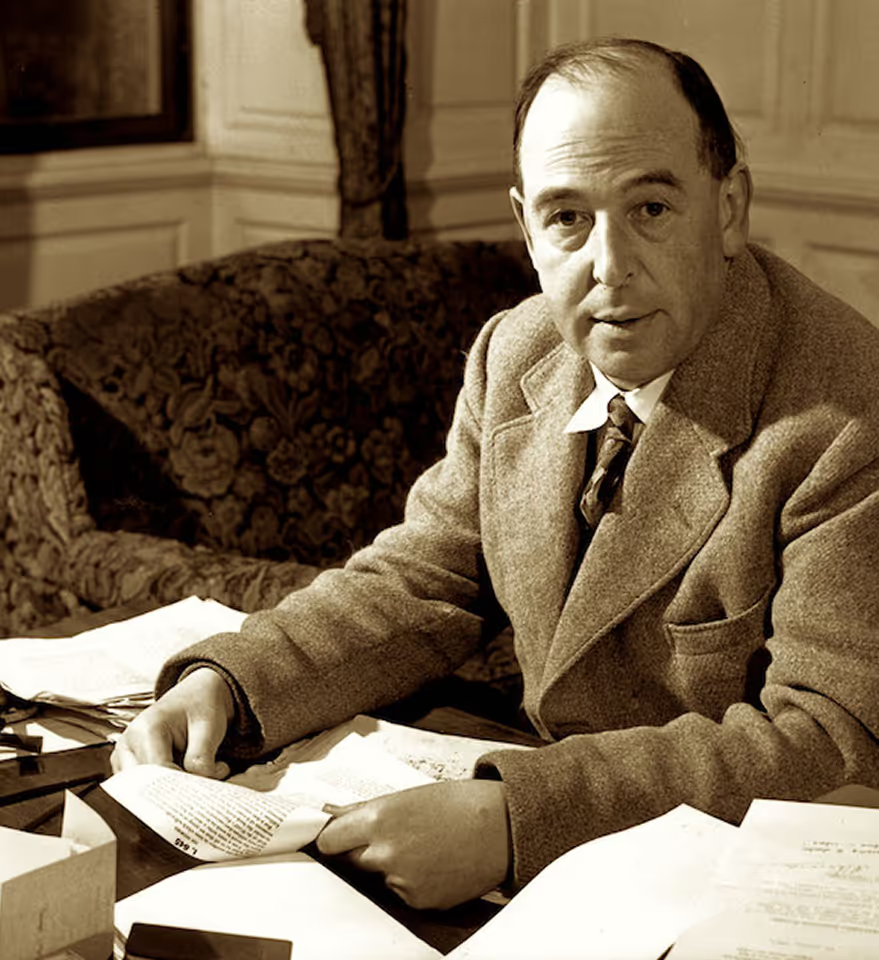
C.S. Lewis - Eine Stimme der Vernunft und des Glaubens
Lewis, ein Anglikaner, war nicht nur ein Gläubiger, er war ein brillanter Verteidiger des christlichen Glaubens. Seine Werke überbrücken die Kluft zwischen Glauben und Vernunft und machen sie zu zeitlosen Ressourcen für all jene, die sich mit spirituellen Fragen beschäftigen.“
Hier finden Sie Artikel und Ressourcen, die sich mit den tieferen Lehren der Orthodoxie befassen. Wir werden Einblicke von Priestern, Theologen und geistlichen Führern präsentieren und praktische Weisheiten für den Alltag bieten.
C.S. Lewis - Eine Stimme der Vernunft und des Glaubens
Lewis, ein Anglikaner, war nicht nur ein Gläubiger, er war ein brillanter Verteidiger des christlichen Glaubens. Seine Werke überbrücken die Kluft zwischen Glauben und Vernunft und machen sie zu zeitlosen Ressourcen für all jene, die sich mit spirituellen Fragen beschäftigen.“
Hier finden Sie Artikel und Ressourcen, die sich mit den tieferen Lehren der Orthodoxie befassen. Wir werden Einblicke von Priestern, Theologen und geistlichen Führern präsentieren und praktische Weisheiten für den Alltag bieten.
C.S. Lewis - Eine Stimme der Vernunft und des Glaubens
Lewis, ein Anglikaner, war nicht nur ein Gläubiger, er war ein brillanter Verteidiger des christlichen Glaubens. Seine Werke überbrücken die Kluft zwischen Glauben und Vernunft und machen sie zu zeitlosen Ressourcen für all jene, die sich mit spirituellen Fragen beschäftigen.“
Hier finden Sie Artikel und Ressourcen, die sich mit den tieferen Lehren der Orthodoxie befassen. Wir werden Einblicke von Priestern, Theologen und geistlichen Führern präsentieren und praktische Weisheiten für den Alltag bieten.
C.S. Lewis - Eine Stimme der Vernunft und des Glaubens
Lewis, ein Anglikaner, war nicht nur ein Gläubiger, er war ein brillanter Verteidiger des christlichen Glaubens. Seine Werke überbrücken die Kluft zwischen Glauben und Vernunft und machen sie zu zeitlosen Ressourcen für all jene, die sich mit spirituellen Fragen beschäftigen.“
Hier finden Sie Artikel und Ressourcen, die sich mit den tieferen Lehren der Orthodoxie befassen. Wir werden Einblicke von Priestern, Theologen und geistlichen Führern präsentieren und praktische Weisheiten für den Alltag bieten.
C.S. Lewis - Eine Stimme der Vernunft und des Glaubens
Lewis, ein Anglikaner, war nicht nur ein Gläubiger, er war ein brillanter Verteidiger des christlichen Glaubens. Seine Werke überbrücken die Kluft zwischen Glauben und Vernunft und machen sie zu zeitlosen Ressourcen für all jene, die sich mit spirituellen Fragen beschäftigen.“
Weisheit der Heiligen Väter
Was solltest du lesen, um deinen Glauben zu stärken? Empfehlungen von Priestern und erfahrenen Lesern.
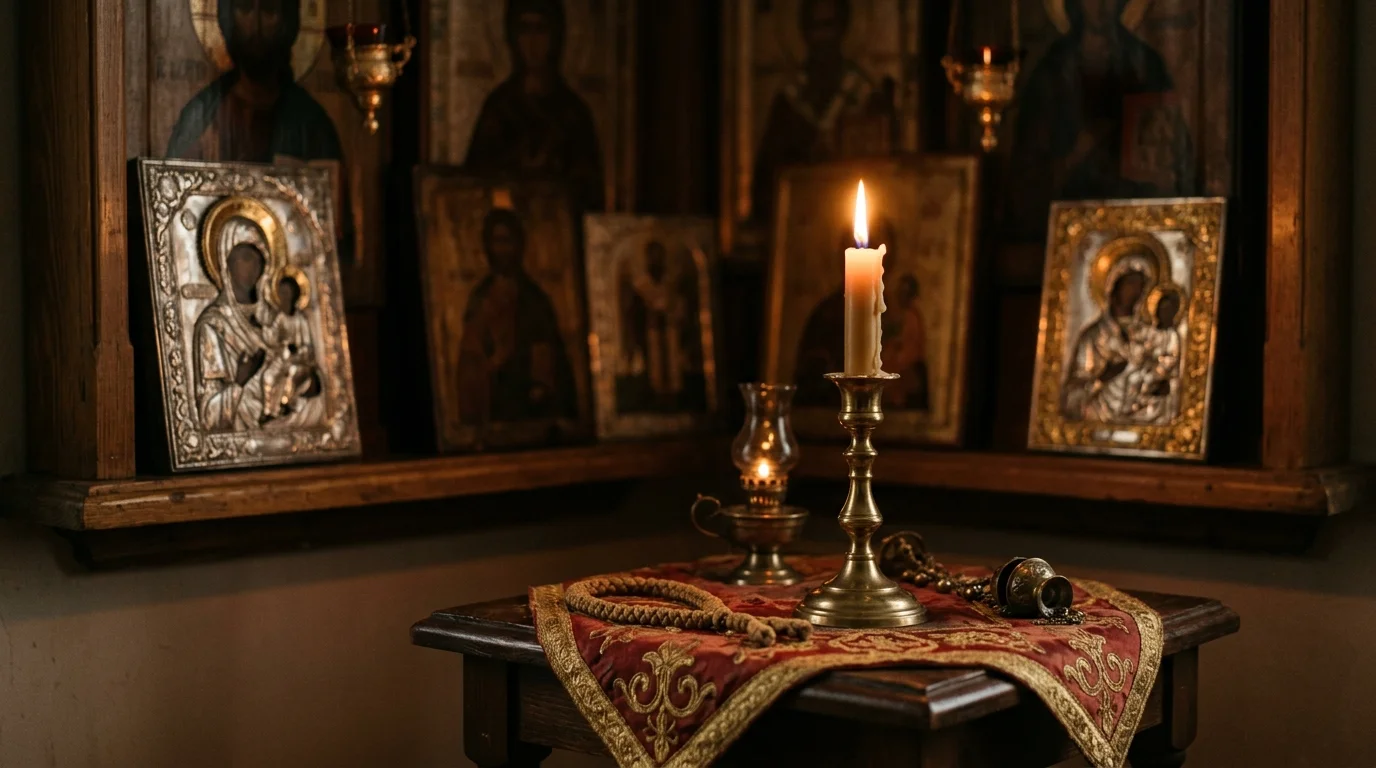
Glaube Orthodoxe Kirche: Eine Begegnung mit Christus
16
min. Lesezeit
October 6, 2026
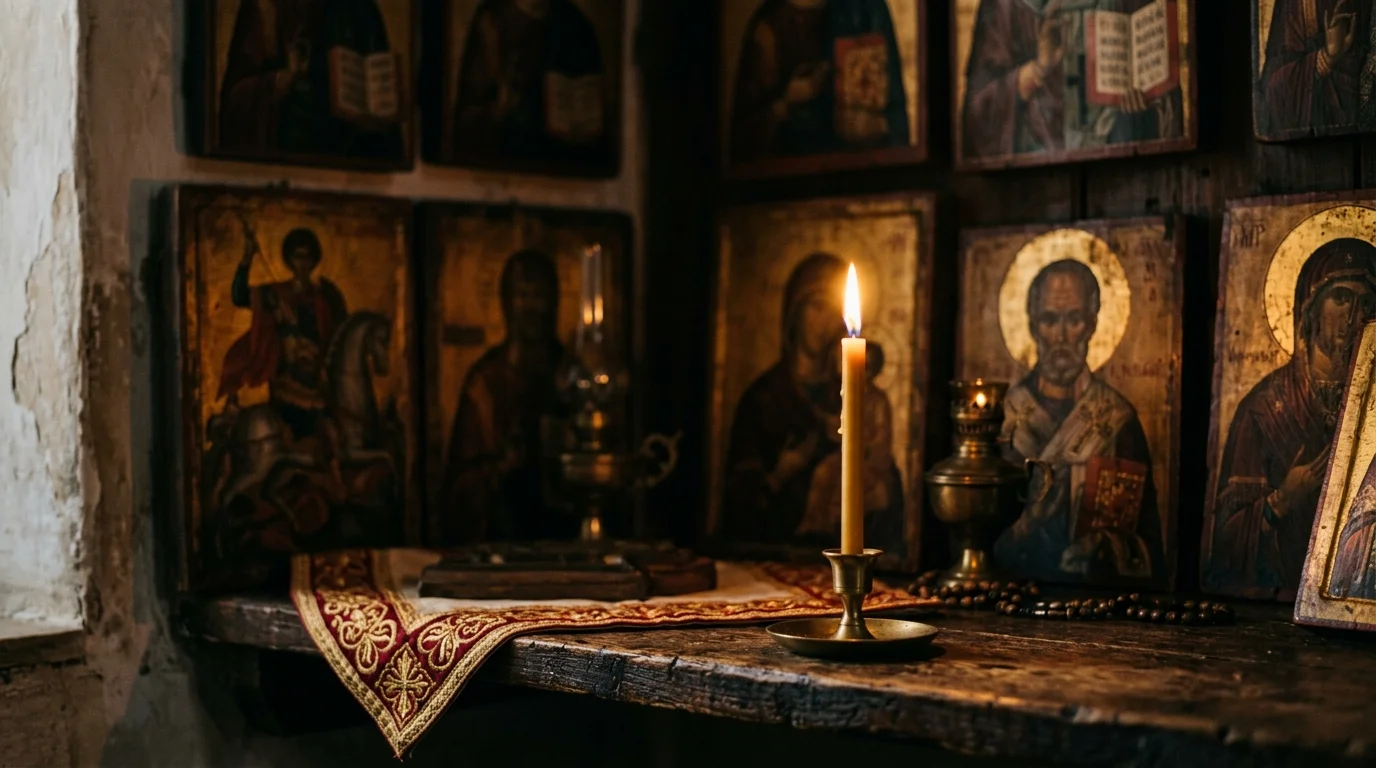
Typisch Orthodoxe Kirche: Mehr als Architektur
15
min. Lesezeit
October 4, 2026
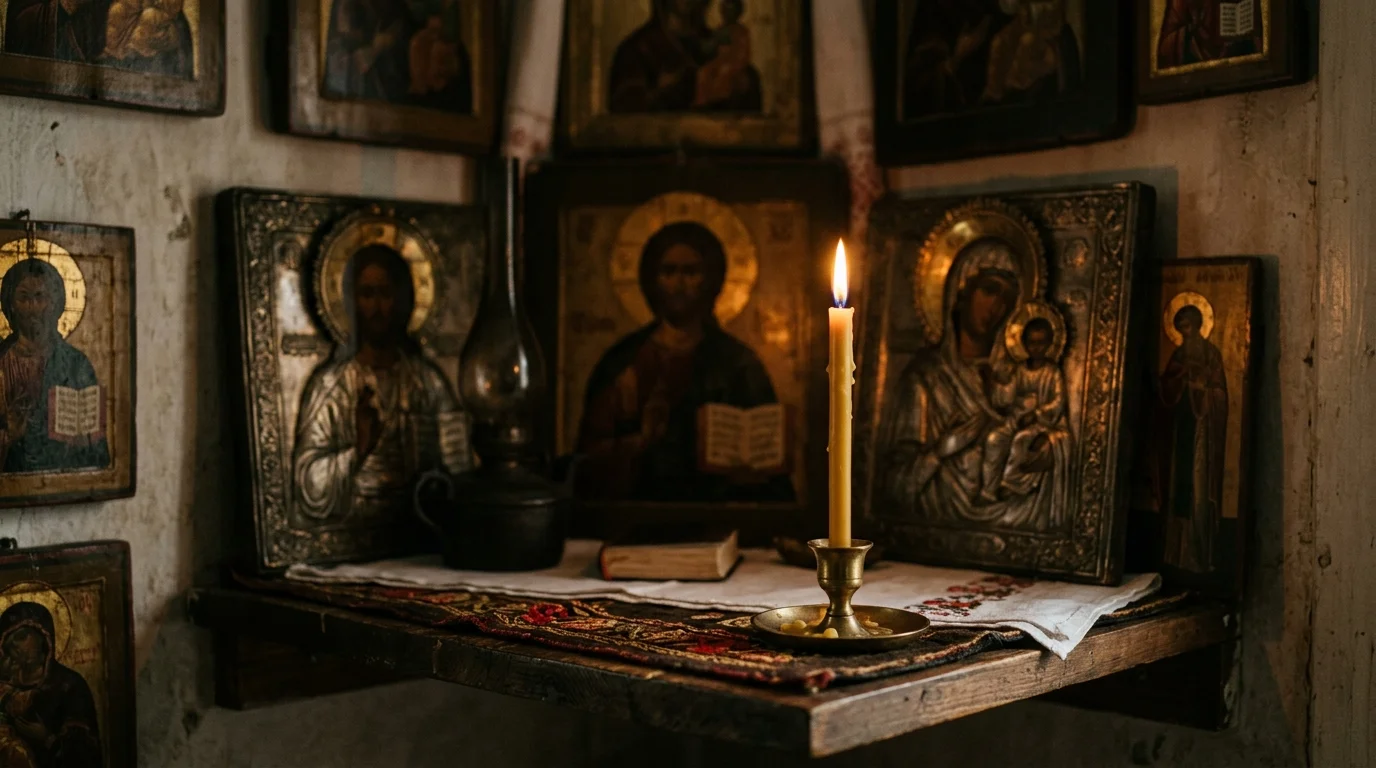
Warum erlaubt Gott Leid? Antworten und Hoffnung
17
min. Lesezeit
October 2, 2026
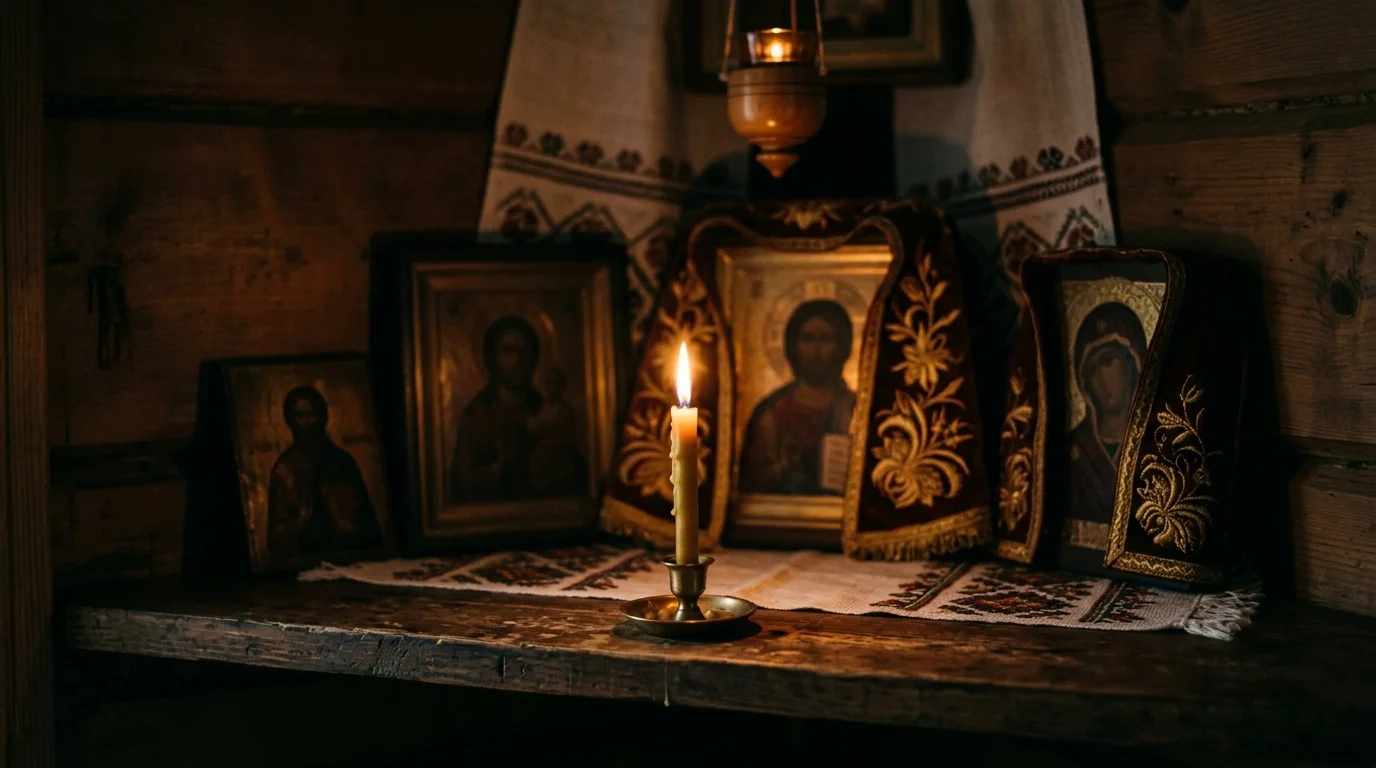
Jesusgebet: Mehr als nur eine Meditationsmethode
17
min. Lesezeit
September 23, 2026
Willst du mehr wissen? Frage Gottes Wort!
Hast du Fragen, Sorgen oder Hoffnungen? Fühlst du dich verloren, belastet oder allein? „Frage Gottes Wort“ bietet dir sanfte Führung, die in der Heiligen Schrift und der Weisheit der Kirche verwurzelt ist. Finde heute Hoffnung und Kraft!

Benötigst du Beratung oder ein Gespräch mit einem Priester?
Schreibe uns und wir werden versuchen, alle deine Fragen zu beantworten.

