
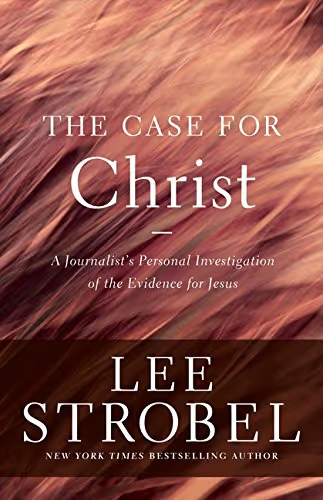
重審耶穌:一位新聞記者對耶穌證據的個人調查
前《芝加哥論壇報》法律版編輯透過交叉詰問十多位學者,深入探討基督教的核心主張,內容涵蓋歷史上的耶穌、福音書與聖經外文獻的可靠性、考古與文本證據、十字架受難的醫學細節,以及支持耶穌復活的歷史論證。這是一部詳盡的新聞調查著作,最初於 1998 年出版,後於 2016 年由 Zondervan 出版社發行更新增訂版。
我們選擇這本書,是因為它採用訪談形式,內容淺顯易懂,讓懷疑論者與尋道者能透過清晰的專家證詞,在單一著作中權衡各項核心歷史問題。
The resurrection acts as the ultimate vindication of Jesus' divine authority because it demonstrates that God's power over death is real and active. When Jesus rose from the dead, it confirmed his claims to be the Son of God and validated his teachings.
This event foreshadows the future resurrection of all believers, offering hope and assurance that death is not the end. It is the miracle that affirms Jesus' identity as God incarnate and underscores the truth of his message.
The missing body of Jesus is central because it supports the claim that Jesus rose from the dead, which is the cornerstone of Christian belief. If Jesus' body was truly absent from the tomb, it confirms the resurrection, demonstrating that Jesus overcame death and is indeed alive.
The resurrection is not just a miraculous event; it is the ultimate validation of Jesus' divine identity and his teachings. As the apostle Paul emphasized in 1 Corinthians 15:17, 'If Christ has not been raised, your faith is futile; you are still in your sins.' This underscores how crucial the empty tomb is to the foundation of Christianity.
The healing miracles of Jesus, such as the instant healing of ten lepers and the healing of a man with a shriveled hand, are powerful evidence against the idea that hypnosis was responsible. These healings occurred instantaneously and completely, with no suggestion or trance involved.
For example, the ten lepers were healed immediately upon Jesus' command, and the healing was visible and undeniable. Hypnosis, on the other hand, typically involves a trance state that does not produce permanent or complete physical healing. Additionally, the Gospel accounts include detailed descriptions of what Jesus said and did, and they do not portray him as using hypnotic techniques.
The Gospel accounts provide detailed descriptions of Jesus' words and actions, yet they never depict him as engaging in hypnotic techniques or suggesting trance states to his followers. Instead, they portray Jesus performing miracles through divine authority, emphasizing his role as the Son of God.
This absence of any indication of hypnosis supports the view that his miracles were genuine acts of divine power, not psychological tricks. The consistency and detail in the Gospel narratives reinforce their credibility and suggest that these events were extraordinary and rooted in divine intervention.
The miracle of turning water into wine, as recorded in the Gospel of John, is unique because Jesus did not directly address the guests or instruct the servants about the transformation. Instead, he simply told the servants to fill the jars with water, and then the water was miraculously turned into wine. The master of the banquet, who tasted the wine, recognized it as such without any prior knowledge or suggestion.
This event demonstrates an instantaneous and complete transformation that surpasses what hypnosis can achieve. Hypnosis might influence perceptions or cause temporary changes, but it cannot produce a genuine, spontaneous miracle like this, which involves a supernatural act of creation.
Some skeptics have proposed that the disciples might have been hypnotized into believing the tomb was empty, or that Jesus himself could have used hypnosis to appear to his followers after his resurrection. They suggest that these experiences could be explained as psychological phenomena rather than actual miracles.
However, this explanation faces significant challenges. For example, the resurrection involved multiple witnesses, including skeptics like Thomas, who refused to believe until he saw and touched Jesus' wounds. Hypnosis cannot produce such tangible, verifiable experiences. Moreover, the empty tomb cannot be explained away by hypnosis, as the authorities at the time would have simply produced Jesus' body if it had been in the tomb. The fact that they did not indicates that the tomb was genuinely empty, which aligns with the biblical account of the resurrection.
The Gospel of John is supported by numerous historical and textual evidences that affirm its accuracy and authorship. Scholars point to its consistent theological perspective and detailed eyewitness accounts, which align with other historical sources. The dating of John’s Gospel, generally placed around the late first century, further supports its authenticity as a firsthand account of Jesus' life and teachings.
Additionally, the Gospel's unique perspective and detailed descriptions provide a rich, reliable narrative that has been preserved through ancient manuscripts. The careful preservation and the early references to John’s Gospel bolster its credibility as an authoritative record of Christ’s ministry.
The title 'Son of Man' emphasizes Jesus' identification with humanity, highlighting His role as the divine Savior who entered into human history. It reflects His humility and His mission to serve as the Redeemer for all people.
This designation also connects Jesus to Old Testament prophecies, especially in Daniel, where the 'Son of Man' is given authority and eternal dominion by God. It underscores His dual nature—fully divine and fully human—and His role in God's plan for salvation.
The writings of early church fathers and creeds, such as the Nicene Creed, serve to preserve and affirm core Christian doctrines about Jesus’ divine nature, His incarnation, death, and resurrection. These early statements of faith were formulated to combat false teachings and heresies, ensuring that the essential truths about Jesus remained consistent throughout history.
They reflect the collective understanding and theological reflection of the early Christian community, emphasizing Jesus’ deity, His obedience to the Father, and His role as Savior. These creeds and writings provide a historical and theological foundation that continues to guide Christian faith and doctrine today.
Paul and Peter are pivotal witnesses in the Christian faith, each providing unique perspectives on Jesus' life, death, and resurrection. Paul, in particular, offers a theological witness that emphasizes Jesus' purpose as the Messiah and Son of God, and his writings help shape early Christian doctrine. Peter, as one of Jesus' closest disciples, provides eyewitness testimony of Jesus' earthly ministry and resurrection.
Their testimonies are foundational because they connect the historical Jesus to the divine purpose of salvation. Paul’s letters and Peter’s accounts serve as crucial evidence that affirm Jesus’ identity and mission, reinforcing the truth of the Gospel message. These witnesses help us understand that Jesus’ life was not only a historical event but also a divine act of love and redemption.
Jesus’ miracles are central to understanding His divine authority and identity as the Son of God. They serve as signs that affirm His deity, demonstrating His power over nature, illness, and even death. For instance, miracles such as healing the sick, calming storms, and raising the dead are recorded in the Gospels and are seen as evidence of His divine nature.
Furthermore, miracles confirm the truth of His teachings and His mission to bring salvation. They also inspire faith among believers, showing that Jesus is not merely a moral teacher but the divine Savior who has power over all creation. These acts of divine intervention are foundational to Christian belief in Jesus as the Messiah.
The resurrection of Jesus is the cornerstone of Christian faith, and in The Case for Christ, Lee Strobel examines the evidence that supports this miraculous event. Scholars and historians analyze eyewitness testimonies, the empty tomb, and the transformation of Jesus’ followers after his death.
Many argue that the resurrection is the best explanation for the rapid growth of Christianity and the unwavering conviction of the disciples. While it is a supernatural event, the historical evidence presented suggests that it is a credible and pivotal moment in history that affirms Jesus’ divine identity.
Yes, there are several non-Christian sources that mention Jesus, providing external validation of his historical existence. Roman historians like Tacitus and Jewish historians such as Josephus refer to Jesus as a real person who lived in first-century Palestine. These writings, though not as detailed as the biblical accounts, affirm that Jesus was a significant figure whose life and death left a mark on history.
Such corroboration from outside sources strengthens the case that Jesus was a historical individual, not merely a myth or legend. It invites us to consider the historical context in which he lived and the impact he had on those around him.
The reliability of the New Testament is a central question in understanding the historical Jesus. In The Case for Christ, Lee Strobel investigates this by consulting experts who analyze the manuscripts, textual consistency, and historical context of the biblical texts. They affirm that the New Testament documents are among the most well-preserved ancient writings, with thousands of copies and fragments that help verify their accuracy.
Scholars also examine the archaeological discoveries and non-Christian sources that corroborate many details of Jesus’ life and ministry. This evidence suggests that the New Testament is a trustworthy record, providing a solid foundation for faith and historical inquiry.
The Gospels are remarkably reliable as historical documents, especially considering their age and the context in which they were written. Scholars have examined their manuscripts, consistency, and archaeological evidence to assess their accuracy.
For instance, the preservation of the Gospels through numerous manuscripts, such as the papyrus and parchment copies, shows careful transmission over centuries. The consistency among the Synoptic Gospels—Matthew, Mark, and Luke—supports their reliability, as does their alignment with historical facts and archaeological findings.
Moreover, the Gospels were written by eyewitnesses or close associates of eyewitnesses, which lends credibility to their accounts. While some variations exist, these do not undermine the core message or historical core of the narratives.
你想知道更多吗?问神的话!
你有问题、担忧或希望吗?感到迷失、负担沉重或孤独?“问上帝的话语” 带给你温和的指导,这些指导植根于圣经和教会的智慧。今天就找到希望和力量!

需要咨询或与牧师交谈吗?
写信给我们,我们将尽力回答您的所有问题。

